Treadmill Test (TMT)
The treadmill test, also known as the exercise stress test or the stress ECG, is a crucial diagnostic tool in cardiology. This test helps us evaluate the performance of your heart under stress, allowing us to detect and diagnose various cardiac conditions.
What is a Treadmill Test?
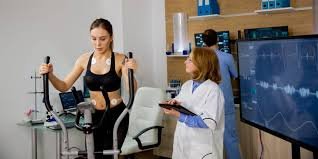
The treadmill test is a non-invasive procedure used to assess the heart’s response to physical stress. During this test, the patient walks or runs on a treadmill while their heart rate, blood pressure, and ECG (electrocardiogram) are continuously monitored. The test is typically performed in a controlled clinical environment under the supervision of trained medical professionals.
Why is the Treadmill Test Done?
The primary purpose of the treadmill test is to evaluate the heart’s ability to respond to increased workload and stress. It helps in:
- Detecting coronary artery disease (CAD): By monitoring changes in the ECG during exercise, the test can identify reduced blood flow to the heart muscle, a common indicator of CAD.
- Assessing overall cardiac function: The test provides valuable information about the heart’s pumping capacity and its response to exertion.
- Evaluating exercise tolerance: It helps determine how well an individual can tolerate physical activity, which is essential for creating effective cardiac rehabilitation programs.
- Assessing the effectiveness of cardiac medications: The treadmill test can help doctors gauge the impact of medications on heart function and adjust treatment plans accordingly.
How is the Treadmill Test Conducted?
The treadmill test is conducted in a specialized room equipped with a treadmill and ECG monitoring equipment. Here’s a step-by-step overview of the procedure:
- Preparation: Before the test, a medical professional will explain the procedure and ask about your medical history. You may need to avoid eating or drinking for a few hours before the test.
- Electrode Placement: Small electrodes are attached to your chest, arms, and legs to record your heart’s electrical activity.
- Baseline Measurements: Resting ECG, blood pressure, and heart rate are recorded while you are at rest.
- Exercise Phase: You will start walking or running on the treadmill at a slow pace. The speed and incline of the treadmill will gradually increase to raise your heart rate.
- Monitoring: Throughout the test, your ECG, blood pressure, and heart rate will be continuously monitored. You will also be asked about any symptoms you may experience, such as chest pain, shortness of breath, or fatigue.
- Termination: The test will be stopped when you reach a target heart rate, or if you develop symptoms that warrant stopping the test. Your heart rate and ECG will be monitored during the cool-down period as well.
- Post-Test Evaluation: After the test, you will be monitored for a short period to ensure your heart rate and blood pressure return to normal. The results will be analyzed, and your healthcare provider will discuss them with you.
The interpretation of treadmill test results is based on various factors, including changes in the ECG pattern, your ability to exercise, and the presence of symptoms during the test. Possible outcomes include:
- Normal Result: If there are no significant ECG changes, and you can exercise without symptoms, the test is considered normal, indicating good cardiac health.
- Abnormal Result: Abnormalities in the ECG, exercise intolerance, or symptoms during the test may indicate an underlying cardiac condition that requires further evaluation.
It’s important to note that the treadmill test is just one part of the diagnostic process, and additional tests, such as angiography or echocardiography, may be needed for a comprehensive evaluation.
When you choose Asha Hospital for your treadmill test, you can expect a range of benefits that set us apart:
At Asha Hospital Treadmill Test , we strive to provide the highest standard of care, ensuring every patient’s journey to recovery is supported with unwavering dedication and expertise.